
All Stories

The 90-Day Leadership Field Manual Gives First-Time Managers a Plan for Monday Morning
Stepping into a management role for the first time often comes with a title and a handshake, but rarely a clear plan for what to do on Monday morning. For new leaders and the organizations that promote them, finding an e…
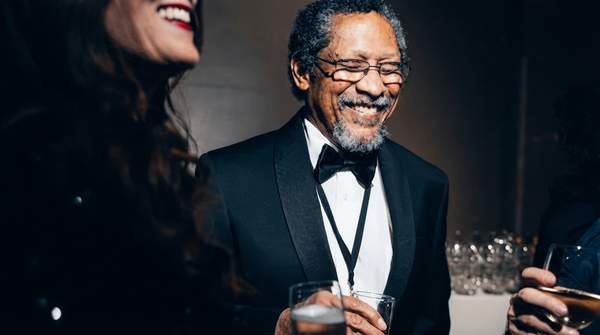
How Major Literary Prizes Are Judged, and What Winning Actually Does
Major literary prizes are judged by expert panels based on literary merit through a multi-stage process of independent reading and private debate, explicitly excluding sales figures. Winning a major award significantly reshapes an author's career, boosts sales, and influences publisher investment.
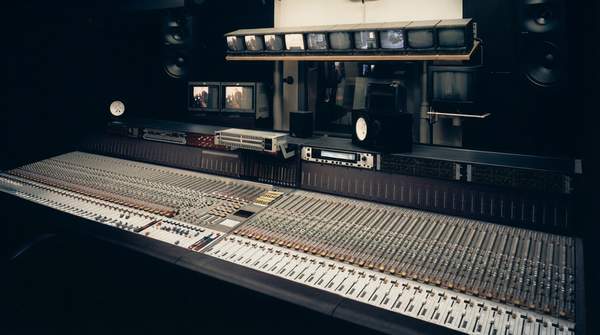
From Mono to Atmos: How Television Sound Became a Storytelling Engine
Television sound design has evolved from basic monophonic synchronization to sophisticated, AI-assisted audio, transforming sound into a powerful storytelling engine. Explore this journey and how sound now deeply enhances narrative and emotional depth.

Two Roads Into Digital Art: How Pace Verso and bitforms Gallery Champion Artists Differently
The digital art market features distinct gallery models, including Web3 platforms like Pace Verso and traditional new media galleries like bitforms, each championing artists through different strategies. Understanding these differences is key to navigating the evolving landscape of digital art.

Three Bangkok Venues Where Collectors Can Find Emerging Thai and Southeast Asian Artists
Discover three distinct Bangkok venues—Nova Contemporary, SAC Gallery, and the Four Seasons Hotel Bangkok ART Space—ideal for collectors seeking emerging Thai and Southeast Asian artists. Each offers a unique curatorial focus, from championing pre-institutional talent to contextualizing new work alongside established artists, guiding collectors' choices.

Lady of Influence Collective LLC: Empowering Women Through Life Transition Coaching
Lady of Influence Collective LLC is a dedicated organization focused on empowering women as they navigate significant life transitions. By combining professional coaching with a strong support network, it provides the to…

What Makes a Novel a Classic? A Critical Framework for a Question That Never Settles
Defining a classic novel is complex, involving criteria like artistic quality, enduring relevance, and cultural influence, but its status is ultimately shaped by ongoing debate and reinterpretation across generations. This article offers a framework to critically evaluate why certain novels endure and remain central to literary discourse.

How Period Films Manufacture Believability: Four Dimensions of Production Design Analysis
Believable period films are crafted through a conscious balance of historical fidelity, narrative function, character expression, and audience perception, not just accuracy. The article proposes a four-dimensional framework to analyze production design, encouraging a focus on intent and storytelling over spotting anachronisms.

From Script to Set: How the First Assistant Director Turns a Director's Vision into a Working Schedule
The First Assistant Director (1st AD) is the operational engine of a film set, translating a director's creative vision into a practical, executable shooting schedule. Their role involves meticulous pre-production planning and disciplined on-set execution to manage time, resources, and crew.

From Studio Overseer to Sonic Author: How the Music Producer Became a Creative Force
The music producer's role has dramatically evolved from a technical functionary to a central creative artist. This article outlines a four-archetype framework, detailing how technological shifts have transformed producers into integral collaborators and primary artistic visionaries.

Chrissla Anne Davis Won’t Let ‘It Is What It Is’ Have the Final Word
The phrase “it is what it is” often marks the end of a conversation, a quiet surrender to difficult circumstances. But for those seeking to move forward, it can feel like an insurmountable wall. Choosing the right self-h…

Time, Space, and Technology: How Video Art Rewired the Rules of Art
Video art redefines artistic expression by manipulating time, space, and technology, moving beyond linear narratives and physical limitations. Understanding these core elements provides a framework for recognizing its innovative techniques and impact on viewer perception.
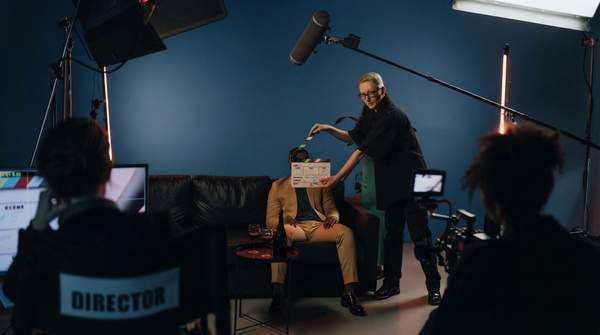
Treaty or Partnership: How International TV Co-Productions Actually Work
International TV co-productions operate under two main models: official, treaty-based agreements that unlock national benefits, and unofficial partnerships offering flexibility and shared risk. Understanding these distinctions is key to navigating global television production, financing, and distribution.
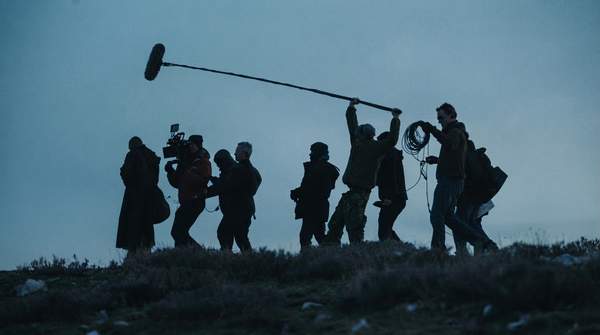
Beyond the Score: How Non-Diegetic Sound Guides What the Audience Feels
Non-musical non-diegetic sounds, such as voice-over narration and stylized sound effects, are powerful filmmaking tools that deliberately shape audience emotions and narrative understanding. These audio elements, existing outside the story world, guide viewer perception and emotional response in ways distinct from the musical score.
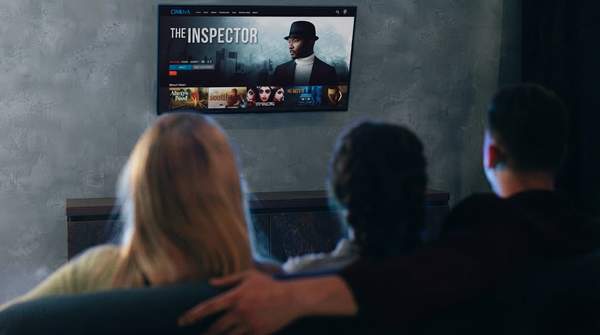
From Watch History to Greenlight: How Streaming Platforms Turn Viewer Data Into Content Decisions
Streaming platforms leverage diverse viewer data, from watch history to social media buzz, to inform content licensing, renewal, and original production decisions. While data excels at evaluating existing content, its predictive power for novel concepts is limited, requiring a balance with creative judgment.

Color the Sh*tshow Away With JoeandCoSupplyStore’s Sweary Adult Coloring Books
When life feels like a relentless series of unfortunate events, sometimes you need a simple, immediate escape. Adult coloring has emerged as a popular method for mindfulness and stress reduction, and digital downloads ma…
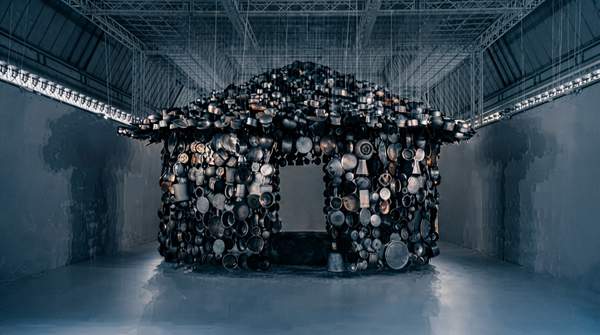
Three Contemporary Artists Who Turn Discarded Things Into Argument: Guerra de la Paz, Subodh Gupta and Tony Cragg Compared
This article compares three contemporary artists—Guerra de la Paz, Subodh Gupta, and Tony Cragg—who transform discarded objects into art, exploring how their material choices convey political, cultural, and aesthetic messages. It traces the lineage of found object art from Duchamp's readymades to modern assemblage, highlighting how artists exploit the inherent meaning and history of materials.

How to Judge a Documentary's Ethics: A Critic's Framework for Consent, Representation and the Truth-Storytelling Tension
A comprehensive documentary critique requires examining the filmmaker's ethical choices regarding subject representation, consent, and the tension between truth and storytelling, moving beyond mere aesthetic appreciation. This article provides a framework for critics and viewers to assess these crucial ethical dimensions.
Why Indie Films Break Their Stories Apart — And How to Watch Them Well
Independent films often break traditional narrative structures with fragmented stories and ambiguous endings to achieve thematic depth and explore character journeys. This guide explains these techniques and offers strategies for viewers to actively interpret and engage with unconventional cinema.
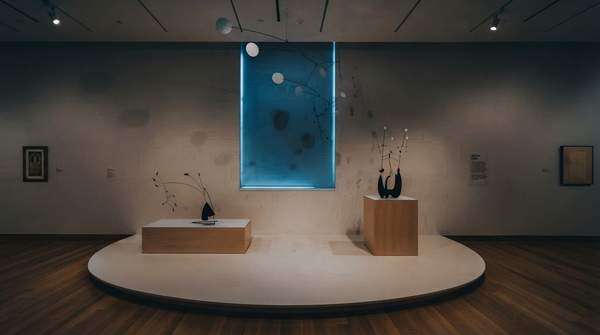
How Conservators Preserve Art Whose Real Material Is the Idea
Contemporary art conservation has evolved beyond preserving physical objects to safeguarding the artwork's conceptual integrity. This shift emphasizes understanding artist intent and the work's intended lifespan through documentation and interviews, recognizing that the idea often constitutes the artwork's essence.

Need Help Tracking Expenses? Discover Mamadou Diallo’s Printable Tools
Managing personal finances can feel overwhelming, but having the right system makes a significant difference. Mamou Fr Diallo offers a suite of printable expense trackers and digital planners designed by creator Mamadou …
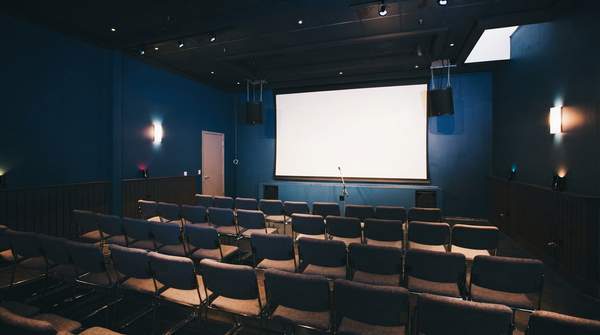
What a Film Festival Programmer Actually Does: Four Roles, One Curator
A film festival programmer's role extends far beyond selecting films, encompassing curation, industry networking, filmmaker advocacy, and strategic festival planning. This article details these four key functions and outlines the practical steps for aspiring programmers to enter the profession.

How Film Production Incentives Work—and Why Economists Can't Agree on Whether They Pay Off
Film and television production incentives are a widely used but contested economic development tool. While the industry claims significant job creation and local spending, independent economists often find little to no net economic gain, leading to a core debate over their true impact.

The Unseen Language: How Camera Angles and Framing Quietly Direct Your Emotions
Camera angles and framing are deliberate psychological tools that shape audience emotions and perceptions of characters and power dynamics. This article provides a framework for analyzing these techniques by grouping them by their primary psychological function, helping viewers read the 'unseen language' of film.