The legendary Bayeux Tapestry, a 70-meter-long wool-on-linen embroidery depicting the 1066 Norman Conquest, will be on rare display at the British Museum from September 10, 2026, to July 11, 2027. The monumental artifact, chronicling events leading to the Battle of Hastings, is a strategic long-term play for major historical attractions, as ArtReview notes. While numerous significant exhibitions open this September, the most globally anticipated events are already years away, creating a tension between immediate cultural engagement and the careful future planning of blockbusters. Art institutions now navigate this multi-year global calendar, balancing immediate draws like the 'Mandalas: Mapping the Buddhist Art of Tibet' exhibition at the Metropolitan Museum of Art this September 19, according to Metmuseum, with distant, high-impact spectacles.
The Bayeux Tapestry: A Monumental Chronicle
The legendary 70-meter Bayeux Tapestry, depicting the 1066 Norman Conquest, will be on rare display at the British Museum from September 10, 2026, to July 11, 2027. This unparalleled wool-on-linen embroidery offers a vivid chronicle of 11th-century European history. The tapestry's extended run highlights the institution's strategic commitment to securing and presenting singular, globally recognized treasures, demanding future travel planning from history enthusiasts and textile art scholars, as ArtReview notes.
Mandalas: Mapping the Buddhist Art of Tibet
Opening this September 19 at the Metropolitan Museum of Art, 'Mandalas: Mapping the Buddhist Art of Tibet' offers a deep dive into the complex symbolism and spiritual function of mandalas within Tibetan Buddhist art, according to Metmuseum. While its specific thematic focus may not appeal to all, it provides immediate access for scholars of religious art and those exploring intricate visual narratives.
Masterpieces of the Renaissance from the Musée du Louvre at The National Art Center, Tokyo
The National Art Center, Tokyo, hosts 'Masterpieces of the Renaissance from the Musée du Louvre', showcasing significant works from the late 15th to mid-16th century. This exhibition, as Tokyo Art Beat reports, offers admirers of classical European art a rare opportunity to engage with a foundational period of Western art in an Asian context, highlighting the power of cross-cultural institutional collaborations.
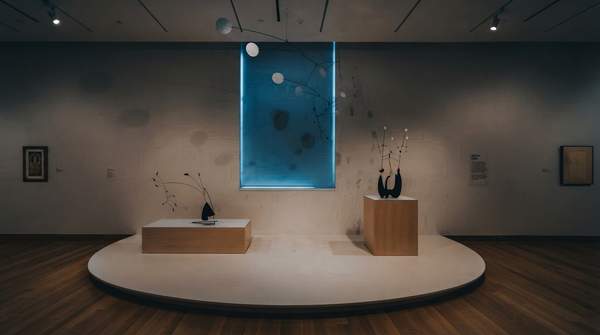
Ryuichi Sakamoto: seeing sound, hearing time at Hamburger Bahnhof – Nationalgalerie der Gegenwart in Berlin
From September 11, 2026, to June 20, 2027, Hamburger Bahnhof – Nationalgalerie der Gegenwart in Berlin will host 'Ryuichi Sakamoto: seeing sound, hearing time'. The exhibition delves into the profound legacy of the globally influential artist, exploring his innovative approaches to sound and time, as ArtReview reports. Its long duration caters to contemporary art enthusiasts and fans of experimental music, though its multidisciplinary focus might be niche.
Kanjiro Kawai exhibition at Seikado Bunko Art Museum
The Seikado Bunko Art Museum commemorates 60 years since the death of ceramic artist Kanjiro Kawai with an exhibition of 51 of his works, alongside ceramics from Japan, China, and Korea. This display, noted by Tokyo Art Beat, celebrates his lasting impact and offers craft art aficionados a focused look into 20th-century Asian artistry.
Torii Kotondo's Kabuki Prints and Shin-Hanga at Ota Memorial Museum of Art
The Ota Memorial Museum of Art presents approximately 70 works by Torii Kotondo, showcasing his Kabuki prints and Shin-Hanga. This exhibition, as Tokyo Art Beat details, offers scholars of Ukiyo-e and traditional Japanese theater a deep dive into a distinct period of Japanese print art.
Synchronic Constellation: Cross-boundary Perspectives in Art at Museum of Contemporary Art Tokyo
The Museum of Contemporary Art Tokyo's 'Synchronic Constellation: Cross-boundary Perspectives in Art' examines the cultural and artistic history of modern Taiwan and Japan. This exhibition, noted by Tokyo Art Beat, offers fresh insights into East Asian cultural exchange and geopolitical influences on art, appealing to contemporary art followers and historians.
Balancing Blockbusters and Local Festivals
Institutions balance high-profile international collaborations with initiatives fostering local contemporary art scenes, much like the extensive global arts and culture celebrated at the Jerash Festival Jordan. The National Art Center, Tokyo, for instance, hosts 'Masterpieces of the Renaissance from the Musée du Louvre', a significant international partnership featuring works from the late 15th to mid-16th century. Conversely, the Sumida Art Festival, eastern Tokyo's first contemporary art festival, will unfold at locations like the Sumida Culture Factory Yutoriya. The juxtaposition of international collaborations and local initiatives reveals a deliberate strategy to offer a diverse cultural landscape, blending global spectacle with regional engagement.
| Exhibition | Focus | Timeline | Geographic Scope |
|---|---|---|---|
| Masterpieces of the Renaissance from the Musée du Louvre | Historical European art (late 15th to 16th century) | This September | International (French collection in Japan) |
| Sumida Art Festival | Contemporary art festival | This September | Regional (eastern Tokyo) |
| The Bayeux Tapestry exhibition | Singular historical artifact (11th-century) | September 10, 2026 – July 11, 2027 | Global (British Museum) |
| Ryuichi Sakamoto: seeing sound, hearing time | Contemporary multidisciplinary artist | September 11, 2026 – June 20, 2027 | Global (German institution) |
Curatorial Approaches: Bridging Eras and Cultures
Curatorial approaches for global art exhibitions prioritize a blend of historical importance, contemporary relevance, and geographical spread. The Ota Memorial Museum of Art exemplifies this by preserving distinct cultural art forms with its exhibition of approximately 70 Torii Kotondo Kabuki Prints and Shin-Hanga, as Tokyo Art Beat details. In contrast, the Museum of Contemporary Art Tokyo fosters cross-cultural dialogue through 'Synchronic Constellation: Cross-boundary Perspectives in Art', examining modern Taiwan and Japan's artistic histories. The dual focus on historical preservation and cross-cultural dialogue ensures a rich and diverse global art calendar.
The Enduring Appeal of Artistic Heritage
The global art world sustains its vibrancy through strategic planning, balancing historical preservation with forward-looking engagement. The Seikado Bunko Art Museum, for instance, exhibits 51 works by ceramic artist Kanjiro Kawai alongside ceramics from Japan, China, and Korea, marking 60 years since his death, as Tokyo Art Beat reports. The dedication to artistic heritage, coupled with monumental future displays like the Bayeux Tapestry at the British Museum through July 2027, reflects a sustained commitment to global cultural engagement for years to come.
Planning for Future Cultural Journeys
What art events are happening in Europe in September 2026?
Europe anticipates significant art events in September 2026, notably the Bayeux Tapestry exhibition at the British Museum. Additionally, 'Ryuichi Sakamoto: seeing sound, hearing time' will be on display from September 11, 2026, to June 20, 2027, at Hamburger Bahnhof – Nationalgalerie der Gegenwart in Berlin, running until June 20, 2027, as ArtReview reports. Future-dated exhibitions like these allow for extensive international promotion and visitor planning.
Where are the most important art exhibitions happening in 2026?
Important 2026 exhibitions are geographically diverse. Major future blockbusters concentrate in Europe (UK, Germany), while numerous significant current September exhibitions, both historical and contemporary, are heavily concentrated in Japan. The disparity in exhibition concentration suggests differing regional strategies: Europe focuses on global spectacle, while Japan balances immediate cultural engagement with local relevance.