
Film Analysis
4 articles
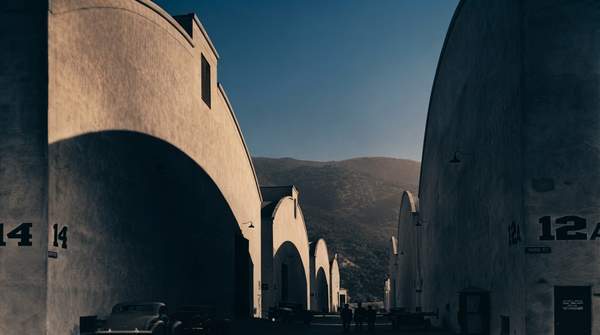
How Period Films Manufacture Believability: Four Dimensions of Production Design Analysis
Believable period films are crafted through a conscious balance of historical fidelity, narrative function, character expression, and audience perception, not just accuracy. The article proposes a four-dimensional framework to analyze production design, encouraging a focus on intent and storytelling over spotting anachronisms.

The Unseen Language: How Camera Angles and Framing Quietly Direct Your Emotions
Camera angles and framing are deliberate psychological tools that shape audience emotions and perceptions of characters and power dynamics. This article provides a framework for analyzing these techniques by grouping them by their primary psychological function, helping viewers read the 'unseen language' of film.
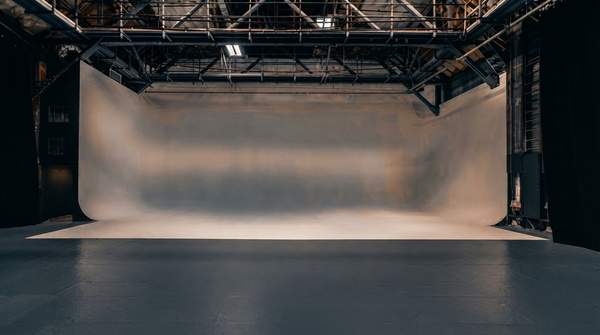
How Production Design Reveals Character: Reading a Character's Space as Psychology
Production design is a key cinematic tool that externalizes a character's inner life, personality, and history through the deliberate creation of their environment. This article provides a framework for analyzing these spatial elements to understand their psychological revelations.
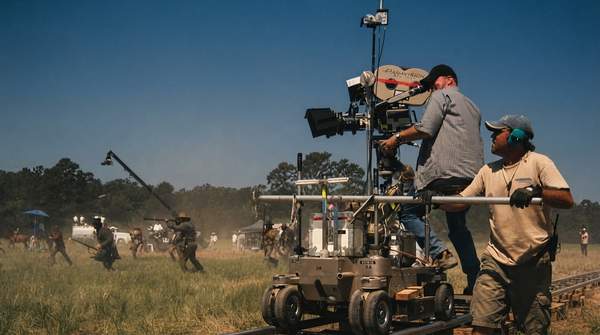
One Shot, Three Effects: How the Long Take Creates Tension, Theme, and Immersion
The long take, an unbroken camera shot, is a demanding cinematic technique used to create tension, thematic depth, and audience immersion. This article explores how directors like Orson Welles, Martin Scorsese, and Alejandro González Iñárritu leverage this method for distinct narrative effects.