
Elena Petrova
Editorial byline
Elena Petrova is an editorial byline for Cultural Watchlist, with a focus on The Gallery (Exhibition Reviews), Festivals & Events (Art Fairs), In Conversation (Artist Interviews). Biographical credentials and external profiles are published only after verification.
Learn more about our editorial process and use of automation in our AI & Automation disclosure.
Coverage Areas
Latest Articles
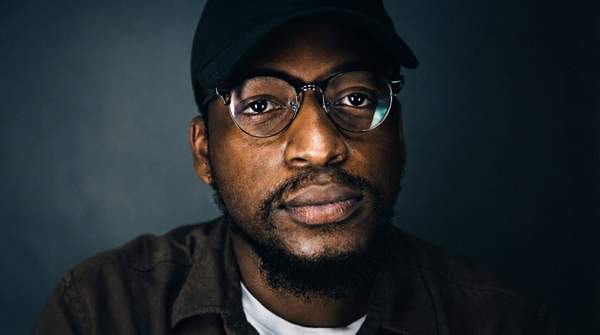
From Film Selection to Filmmaker Champion: How the Festival Programmer's Job Outgrew the Screening Room
The role of a film festival programmer has evolved significantly beyond just selecting films. Today, it encompasses curating lineups, actively developing filmmakers' careers, and facilitating crucial industry connections.
Nov 16, 2026 · 5 min read
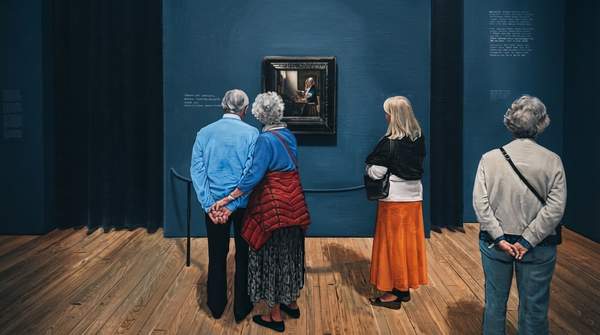
Permanent vs. Temporary Exhibitions: What Changes When the Art Stays or Goes
Permanent collections and temporary exhibitions differ fundamentally in duration, ownership, and the museum's objectives. Understanding these distinctions transforms a passive museum visit into an exercise in interpretation.
Nov 16, 2026 · 4 min read
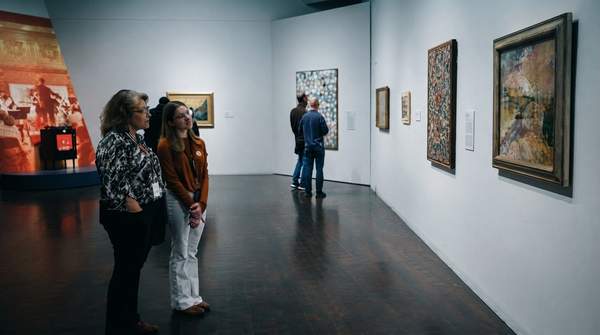
Balancing Public Trust and Free Expression: How Museums Decide to Show Controversial Art
Museums balance displaying controversial art by adhering to professional ethical codes that prioritize public trust, collections stewardship, and societal responsiveness. This article outlines a decision-making framework for curators, emphasizing transparency, contextual honesty, and proactive public engagement to manage potential controversy.
Nov 14, 2026 · 4 min read
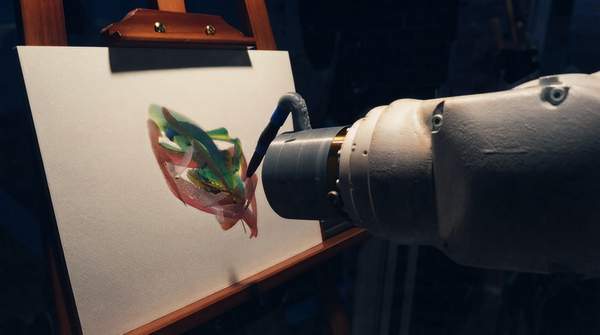
Who Really Owns an AI Artwork? A Field Guide to the Ethics of Machine-Made Images
This article provides a field guide to the ethics of AI-generated art, offering a framework to evaluate authorship, copyright, training data consent, labor impact, and bias in machine-made images.
Nov 10, 2026 · 5 min read
Three Ways Artists Are Redefining Space: A Field Guide to Immersive Contemporary Art
Contemporary artists are redefining space through three distinct strategies: building architectural interventions, creating sensory digital environments, and placing site-specific works in public urban landscapes. Understanding these approaches helps viewers choose immersive art experiences that match their interests.
Nov 9, 2026 · 5 min read
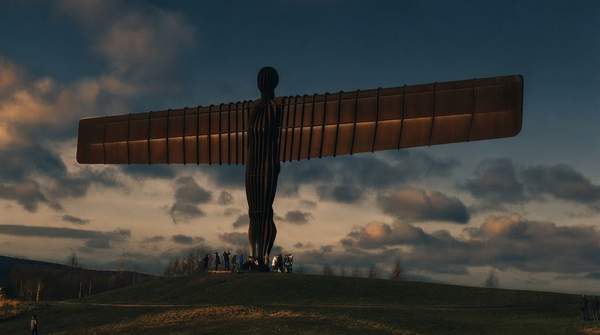
How a Public Art Commission Actually Gets Made: The Lifecycle from Idea to Installation
Public art commissions follow a structured, multi-stage lifecycle from initial funding and planning to artist selection, design, fabrication, installation, and stewardship. The process emphasizes community engagement at nearly every phase to ensure successful integration into the urban landscape.
Nov 8, 2026 · 5 min read
When Sound Becomes the Art: Distinguishing Primary Sound Design in Performance and Video Art from Its Supporting Role in Cinema
This article distinguishes between sound's supporting role in cinema and its function as a primary, world-building artistic medium in performance and video art. It offers a framework for analyzing sound's evolved significance in contemporary art practices.
Nov 7, 2026 · 4 min read
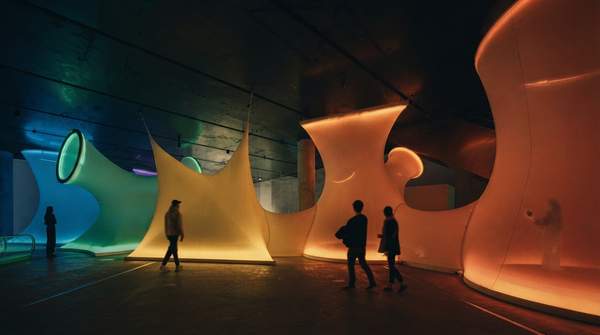
From Spectator to Participant: How AR and VR Are Rewriting the Rules of the Gallery
Augmented and virtual reality are transforming art galleries, shifting visitors from passive observers to active participants through immersive and interactive digital experiences. This evolution is measurable, embraced by major institutions, and redefining the meaning of a gallery visit.
Nov 6, 2026 · 4 min read

Three Ways In: Choosing the Right Submission Pathway to an Independent Literary Press
Aspiring authors can navigate independent literary presses through three primary submission pathways: year-round open submissions, scheduled reading periods, or publication contests. Understanding each press's mission and aligning your manuscript strategically with the appropriate pathway is crucial for maximizing publication chances.
Nov 6, 2026 · 5 min read
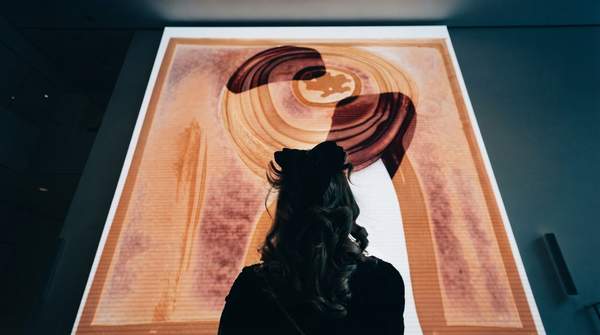
Tool, Collaborator, or Critique: How Artists Are Absorbing Artificial Intelligence Into Art
Artificial intelligence has not made the artist obsolete; understanding current debates requires a historical lens rather than a crisis narrative. Artists engage with AI as a tool, a collaborator, or a subject of critique.
Nov 5, 2026 · 4 min read
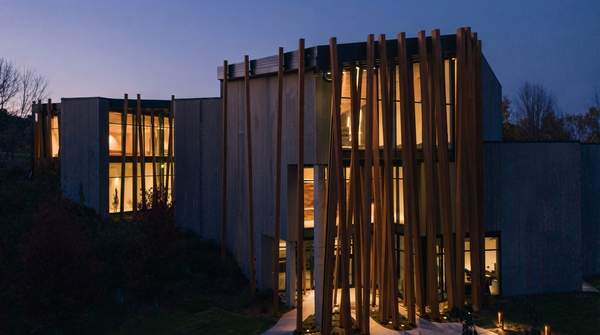
Preserving the Unpreservable: How Conservators Decide the Fate of Digital Art
Digital art faces unique preservation challenges due to its reliance on fragile technology and the potential loss of artist intent. Conservators employ a structured decision process, defining essential properties and choosing strategies like migration, emulation, or documentation to ensure long-term accessibility.
Nov 5, 2026 · 4 min read

What Is Site-Specific Art? A Definition, a History, and a Four-Level Framework for Analyzing It
Site-specific art is created for a particular location, with its meaning intrinsically tied to that place, often diminishing or destroying the piece if removed. The concept, popular since the 1960s, describes a spectrum of dependency on location, best understood through a four-level analytical framework.
Oct 31, 2026 · 6 min read
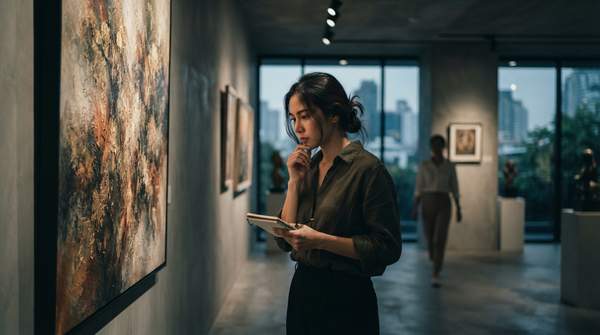
Three Bangkok Venues Where Collectors Can Find Emerging Thai and Southeast Asian Artists
Discover three distinct Bangkok venues—Nova Contemporary, SAC Gallery, and the Four Seasons Hotel Bangkok ART Space—ideal for collectors seeking emerging Thai and Southeast Asian artists. Each offers a unique curatorial focus, from championing pre-institutional talent to contextualizing new work alongside established artists, guiding collectors' choices.
Oct 30, 2026 · 4 min read
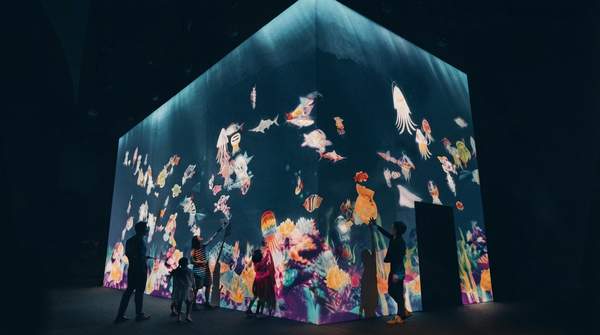
Time, Space, and Technology: How Video Art Rewired the Rules of Art
Video art redefines artistic expression by manipulating time, space, and technology, moving beyond linear narratives and physical limitations. Understanding these core elements provides a framework for recognizing its innovative techniques and impact on viewer perception.
Oct 28, 2026 · 6 min read
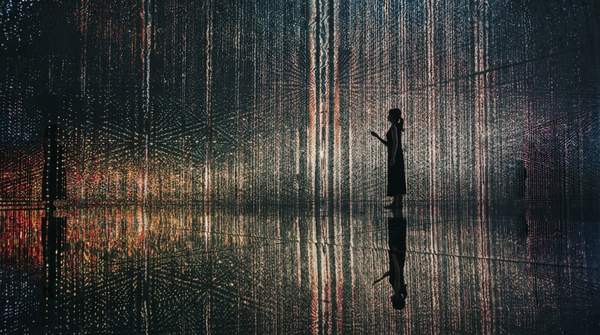
Two Roads Into Digital Art: How Pace Verso and bitforms Gallery Champion Artists Differently
The digital art market features distinct gallery models, including Web3 platforms like Pace Verso and traditional new media galleries like bitforms, each championing artists through different strategies. Understanding these differences is key to navigating the evolving landscape of digital art.
Oct 27, 2026 · 5 min read
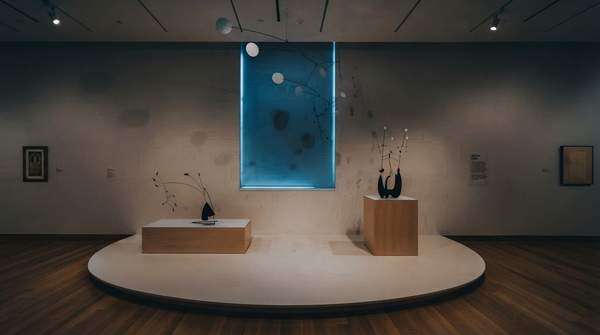
How Conservators Preserve Art Whose Real Material Is the Idea
Contemporary art conservation has evolved beyond preserving physical objects to safeguarding the artwork's conceptual integrity. This shift emphasizes understanding artist intent and the work's intended lifespan through documentation and interviews, recognizing that the idea often constitutes the artwork's essence.
Oct 24, 2026 · 5 min read
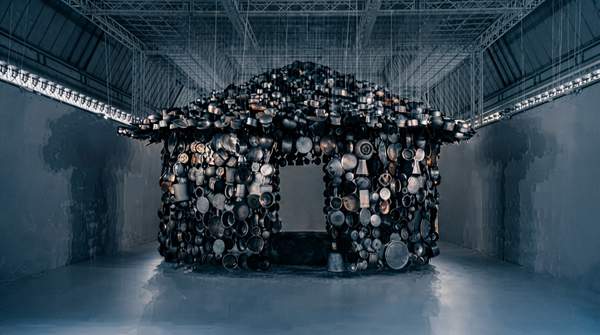
Three Contemporary Artists Who Turn Discarded Things Into Argument: Guerra de la Paz, Subodh Gupta and Tony Cragg Compared
This article compares three contemporary artists—Guerra de la Paz, Subodh Gupta, and Tony Cragg—who transform discarded objects into art, exploring how their material choices convey political, cultural, and aesthetic messages. It traces the lineage of found object art from Duchamp's readymades to modern assemblage, highlighting how artists exploit the inherent meaning and history of materials.
Oct 22, 2026 · 6 min read
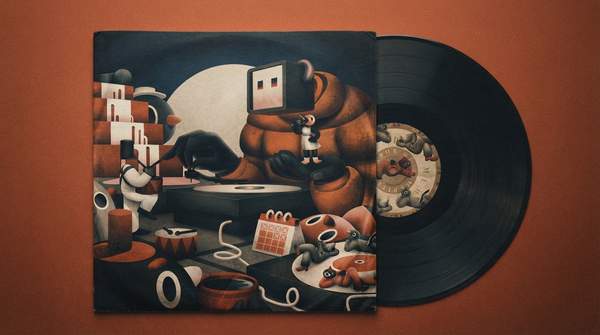
From Brown Paper to the Tiny Square: How Music's Format Rewrote Album Art
Album art's purpose and impact have been fundamentally shaped by the physical format of music, evolving from functional packaging to a large-scale artistic canvas and finally to a tiny digital thumbnail. This evolution highlights how changes in music's container dictated the art's role, from marketing and identity to a compressed visual element.
Oct 21, 2026 · 6 min read
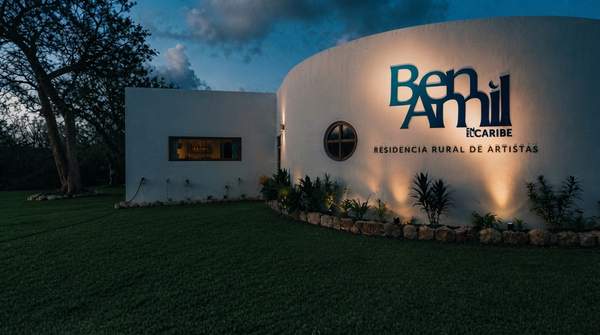
How to Choose an Artist Residency: A Decision Framework for Finding the Right Fit
Choosing an artist residency involves finding the right match by evaluating funding models, program environment, and artistic focus. This guide offers a structured decision framework to align your personal needs with available opportunities.
Oct 19, 2026 · 4 min read
Planet Mu, PAN, and NOTON: Three Distinct Visions of Experimental Electronic Music
This article explores three distinct experimental electronic music labels—Planet Mu, PAN, and NOTON—highlighting their unique philosophies, origins, and contributions to avant-garde sound. Understanding their differences offers a clear path to navigating the experimental electronic music landscape.
Oct 16, 2026 · 4 min read