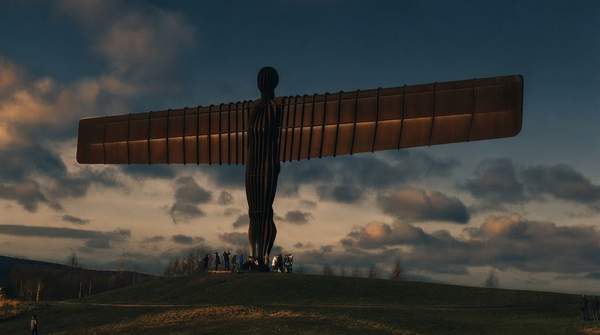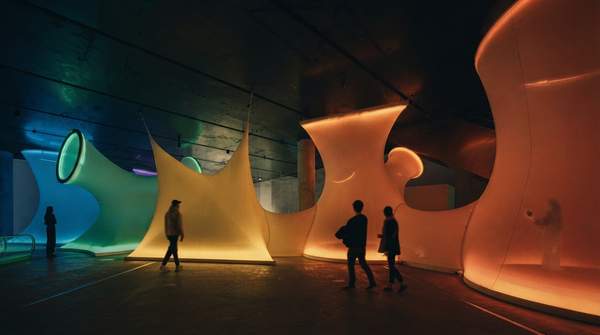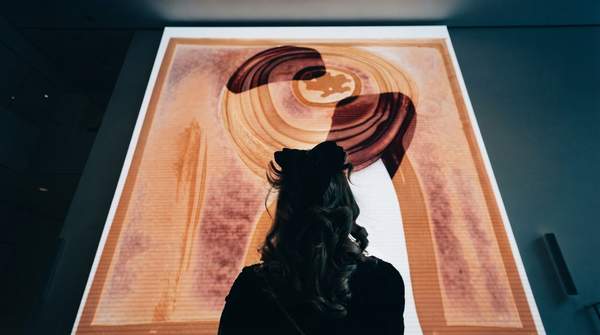
Site-specific art is artwork made for a particular location, and whose meaning is so bound up with that location that removing it destroys or radically diminishes the piece. The term, which came into popular use in the 1960s, describes a spectrum rather than a binary category: some works are inseparable from their sites, while others merely adapt to wherever they are placed. Understanding that spectrum—how to look at an artwork and judge the depth of its bond with its setting—is the most useful skill this concept offers an enthusiast, and it can be learned through a four-level framework first codified by the artist and author Koplowitz.
Defining Site-Specific Art: More Than Just Location
Tate's glossary offers the cleanest starting definition: site-specific refers to a work of art designed specifically for a particular location, and one that has an interrelationship with that location. The crucial qualifier follows immediately—if such a work is removed from its location, it loses all or a substantial part of its meaning. The definition is therefore not about where a piece happens to sit, but about whether the place is constitutive of the work itself.
The term most often surfaces in relation to installation art, and land art is site-specific, as Tate notes, almost by definition—a earthwork carved into a desert basin cannot be shipped to a collector's warehouse. A general encyclopedia account of the practice adds that artists take the location into account while planning and creating the work, and that the category spans sculpture, stencil graffiti, rock balancing and other forms, in settings ranging from urban plazas to remote natural environments, even underwater. The scale of ambition varies enormously, but the shared premise is that the site is treated as a material and a collaborator, not a backdrop.
Writing for Never Gallery Ready, Karen Darricades describes site-specific installations as works that use space to help create the meaning expressed through the piece, installed—often temporarily—in specific sites in ways that can transform a viewer's perception and experience of that space. That transformation of perception is the pay-off the artist is chasing: the work makes the viewer see a familiar place differently, and the place, in turn, completes the work.