Contemporary art, crafted from ephemeral materials like plastics, found objects, and digital code, presents a profound challenge to the traditional principles of preservation. Unlike historical works with established conservation methods, modern pieces often incorporate materials never intended to last, forcing conservators to navigate a complex landscape where an artist's original concept can be as crucial as the physical object itself. This requires a flexible and evolving ethical framework, moving beyond simple repair to preserve the integrity of works that are inherently unstable or designed to change over time.
The Unique Landscape of Contemporary Art Conservation
The conservation of contemporary art is a field actively defining its own theoretical foundations. While traditional conservation often relies on established methodologies, modern works demand a more tailored approach. According to The Dedalus Foundation, there is no "one-size-fits-all" method for pieces that utilize a vast array of materials and are guided by diverse conceptual intentions. Conservators must develop bespoke decision-making processes for each specific artwork.
This flexibility is essential because the very definition of an artwork's integrity has expanded. For one piece, integrity might mean protecting its physical state. For another, it could mean preserving its intended meaning or even its relationship with the passage of time. This shift acknowledges that some contemporary artists create works that are meant to be ephemeral or interactive, raising ethical questions about how to conserve something that was never designed to be permanent.
Material Challenges: From Plastics to Pixels
The materials used by contemporary artists are a primary source of conservation challenges. The Institute of Conservation (Icon) notes that conservators now care for works incorporating synthetic materials, electronic media, food items, and digital components. These materials often have unknown degradation processes, require different environmental conditions, and may be combined within a single artwork, rendering traditional conservation methods unsuitable.
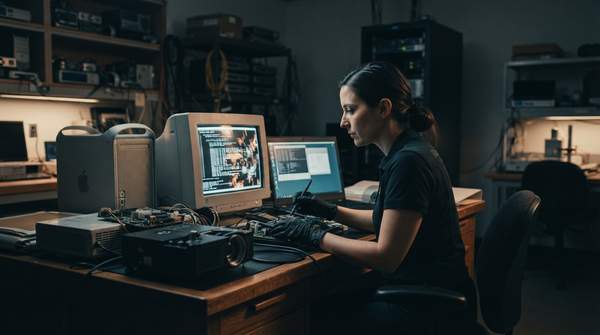
Time-based media art, which includes video and software-based works, introduces another layer of complexity. The challenge is not merely the physical fragility of tapes or disks but the rapid evolution of technology that makes playback equipment and software obsolete. This requires a proactive conservation approach, as institutions like the Guggenheim and the Museum of Modern Art must constantly manage aging equipment to ensure artworks can still be exhibited. For software-based art, preservation projects may involve creating disk images and using emulation to run old programs on new hardware, as practiced at Tate.