UK Media Consumption Shifts Dramatically Amidst 2026 Streaming Wars

By 2026, the average UK household is projected to subscribe to more streaming services than they regularly watch traditional broadcast channels.

MS
Maya Singh

June 5, 2026 · 4 min read

A split-screen visual contrasting traditional TV viewing with fragmented, multi-screen streaming consumption in a UK household by 2026.

By 2026, the average UK household is projected to subscribe to more streaming services than they regularly watch traditional broadcast channels. It’s like our national conversation is fragmenting into a thousand digital echoes, each tuned to a different frequency. This isn't just about what we watch; it's about how we connect—or rather, how we don't.

Here’s the rub: the UK media industry aims to protect trust and shared experiences. Yet, the accelerating shift to fragmented premium video and social platforms makes those noble goals increasingly difficult. It's an unstoppable force meeting our collective cultural fabric.

So, by 2026, the UK's media landscape will likely offer an abundance of choice, but at the cost of collective cultural touchstones, potentially widening societal divides. We're already on this trajectory.

The Shifting Sands of UK Media Consumption

The UK media industry, through groups like the Digital TV Group, aims to protect core qualities like trust and shared experiences, even as television expands into a broader premium video ecosystem. It's like trying to conduct a grand orchestra when every musician has their own viral TikTok channel.

This ambition clashes with consumer behavior. We're all juggling multiple streaming services, creating a truly fragmented viewing landscape. Social media platforms are now primary news and entertainment sources for younger demographics, often bypassing traditional outlets entirely. This isn't just a trend; it's a fundamental re-wiring of how we get information.

This shift creates a dilemma for regulators and creators: How do you foster innovation and choice without eroding the societal benefits of broadly accessible media? The industry's stated goal of "protection" seems insufficient against these behavioral shifts. Traditional broadcasters aren't just losing market share; they're losing the very foundation of shared national attention, making their public service mandate for collective experiences increasingly irrelevant by 2026.

The Great Unbundling: How UK Viewing Habits Are Shifting

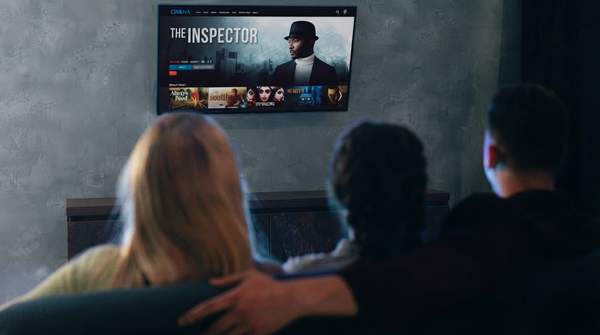
Average daily linear TV viewing hours have steadily declined over the past five years, especially among younger audiences, according to Ofcom Data. The old family television, once the hearth of the home, is now just another piece of furniture. This isn't surprising: most UK households will subscribe to multiple SVOD services by 2026. We've all become our own personal programming directors, haven't we?
Beyond traditional streaming, short-form video on platforms like TikTok and YouTube now dominates daily media consumption for Gen Z. Attention spans are adapting; a scheduled broadcast feels as quaint as a rotary phone. This rapid diversification means traditional broadcasters are losing their central role as cultural arbiters, impacting shared national experiences.

The expansion of premium video isn't just an additive trend; it's a disruptive force. It redefines how 'trust' and 'quality' are perceived, moving them from a shared public good to a fragmented, personalized experience. When everyone's watching something different, who decides what's truly "important" or "quality" anymore?

Navigating the New Landscape: Expert Predictions for 2026

The media industry is bracing for a fierce battle for eyeballs and ad dollars, likely reshaping content creation and distribution.

  • Increased competition for audience attention and advertising revenue will likely lead to consolidation or niche specialization.
  • Personalized content algorithms, while engaging, may reduce exposure to diverse viewpoints and shared national narratives, potentially impacting social cohesion.

The algorithm, tirelessly feeding us more of what we already like, creates echo chambers instead of town squares. This focus on individual preference, while boosting engagement, could diminish our collective understanding and shared cultural touchstones. There's a growing call for new regulatory frameworks to address content quality, misinformation, and accessibility on digital platforms, extending beyond traditional broadcasting. The industry faces a critical juncture: balancing technological advancement and consumer demand with societal responsibility and media's public service role. The Digital TV Group's 'protection' strategy appears reactive, not proactive, potentially accelerating public service media's cultural decline.

The assumption that traditional broadcasting can 'evolve' while maintaining its public service values ignores the irreversible fragmentation of attention. Public service media may need fundamental rebuilding, not mere adaptation.

Beyond the Screen: What the Future Holds for UK Media

  • The definition of 'television' is expanding beyond linear channels to encompass all premium video content across various devices and platforms.
  • Content creators are increasingly focusing on direct-to-consumer models and multi-platform distribution strategies to reach fragmented audiences.
  • Audiences are becoming more discerning about content quality and value for money, leading to 'subscription fatigue' for some.

We're all standing in a digital buffet, overwhelmed by choice, trying to decide if that fifth streaming service is truly worth it. The future of UK media will be defined by the interplay between innovation, consumer choice, and the enduring need for trusted, high-quality content that serves both individual and collective interests. By 2026, global streaming giants will likely dominate personalized entertainment, forcing traditional broadcasters like the BBC to fundamentally rethink their public service model or risk becoming historical footnotes.