Film festival programming runs in two distinct stages: a first pass that filters hundreds or thousands of submissions into a shortlist, and a second, more strategic curatorial phase in which a committee negotiates a final lineup by balancing artistic vision, audience connection, industry positioning, and diversity. The scholar cited in an academic analysis of the process, drawing on Roya Rastegar's work, describes it as an act of editing followed by an act of negotiation—one that demands programmers acknowledge the limits of their own taste. The result is neither a pure meritocracy nor a popularity contest, but a deliberate construction.
The Dual Stages of Film Festival Programming
The first stage is essentially subtractive. As Rastegar argues, programmers begin by editing down the enormous pool of submissions to compile a manageable shortlist. This is where the volume of work is tamed: films that fail to command attention, that lack coherence or a distinctive point of view, exit the process before any larger conversation begins.
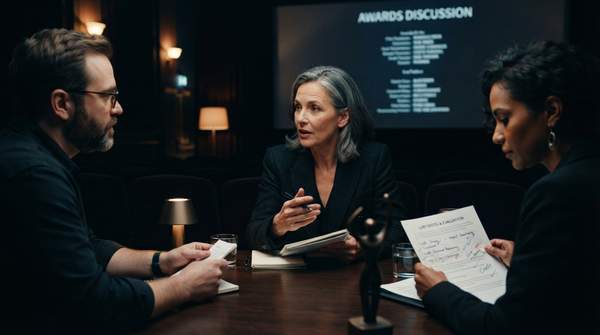
The second stage is where programming becomes genuinely curatorial. Rastegar characterizes it as a more strategic and subjective phase, one of negotiation and decision-making that "calls for programmers to be open to seeing and feeling something differently, and acknowledging the limits of one's own sensibilities and taste in order to make space for films that fall outside of individual registers of knowledge." Crucially, this stage is collective. An essential part of festival work, she suggests, is building a team "highly attuned to their own and each other's weaknesses, tastes, and proclivities when watching films" so that individual interests are balanced toward a shared vision. Decisions here rest on strategic thinking about the wider cultural landscape as much as on the subjective criteria the team develops together.
Artistic Vision: Championing Unique Cinema
Artistic merit remains the foundation, but it is a particular kind of merit: innovation, perspective, and the sense of discovery. Writing about Raindance's approach, festival founder Elliot Grove explains that a distinctive debut can offer "the sensation of meeting an artist before the wider world has learned their name"—though he is careful to add that inexperience alone earns nothing, and a new director's film must still command attention. His advice to filmmakers is telling: "Do not disguise your film to resemble last year's winner. Find the decisions in it that only you would make."
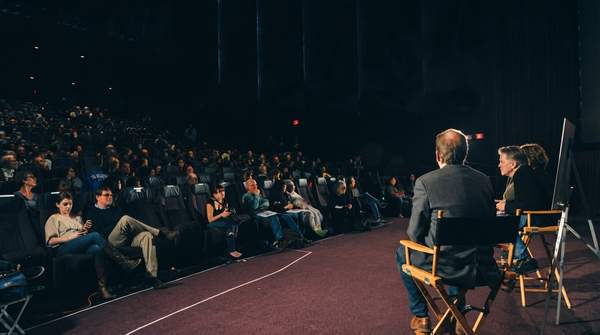
This commitment distinguishes festivals from commercial distribution. As the Annapolis Film Festival's own account of why festivals matter puts it, festivals are cultural events that "in theory should not just be about making money," and programming "is not dictated only by the demands of ticket sales and audiences." The festival functions, in that framing, as a gallery for cinematic work that reflects creativity and diverse viewpoints rather than market calculations.