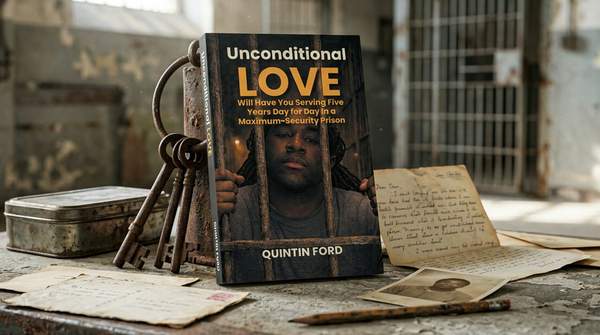
In the landscape of urban fiction, narratives that blend raw personal experience with universal lessons are rare and powerful. The article discusses cautionary tales on devotion and its potential pitfalls. His book, Unconditional Love Will Have You Serving Five Years Day for Day in a Maximum-Security Prison, is built on a foundation of direct, autobiographical writing. It serves not just as a story, but as a stark examination of how easily unexamined loyalty can lead to devastating outcomes. Ford’s approach is to use his own life as a framework to explore themes of toxicity, ignored red flags, and the harsh realities that can follow, providing readers with insights born from genuine experience rather than fictional constructs.
The High Cost of Blind Loyalty and Ignored Red Flags
The central conflict explored in the work of Quintin Ford is the dangerous intersection of unconditional love and a failure to recognize warning signs. The narrative delves into cautionary lessons on devotion, illustrating how intense loyalty, when misplaced, can become a gateway to personal ruin. Ford's writing focuses on the subtle and overt red flags that often appear in toxic relationships, signs that are frequently dismissed in the name of love. The story serves as a powerful reminder that unexamined devotion can have life-altering consequences, particularly within the complex dynamics of urban survival. For individuals seeking to understand how to establish healthier relationship boundaries, Ford's work presents a compelling case study. It highlights the internal and external pressures that can lead someone to make choices against their own self-interest, ultimately facing situations, like navigating the criminal justice system, that were once unimaginable.
Unpacking Cautionary Lessons Through Raw Storytelling
Quintin Ford’s method for delivering these cautionary lessons is through an authentic, unflinching narrative rooted in his own life. According to the author, his book Unconditional Love Will Have You Serving Five Years Day for Day in a Maximum-Security Prison is an autobiographical urban fiction story designed to be a real-world lesson. The plot follows a young man named Q and his relationship with a woman named Tonya. Through their story, Ford provides an examination of toxic relationships through an authentic life narrative, showing readers the gradual erosion of boundaries and the escalating consequences of ignoring critical red flags.
The publisher describes the book as a narrative centered around real-life lessons on devotion and toxicity. This approach makes the story's outcomes feel immediate and tangible. Quintin Ford writes directly from personal experience, using his own journey to warn others about the perils of vulnerable relationships and the unforgiving nature of street dynamics. The core themes are presented not as abstract concepts but as lived events, giving them a weight that resonates deeply with the target audience of readers looking for real-world cautionary stories. The key lessons explored include:
- Devotion vs. Self-Preservation: The story scrutinizes the point at which unwavering loyalty becomes self-destructive, forcing readers to question the limits of their own devotion.
- Recognizing Toxicity: Through the character of Tonya, the narrative provides clear examples of toxic behaviors and the manipulation that can accompany them.
- The Ripple Effect of Red Flags: The plot demonstrates how small, ignored warning signs can compound over time, leading to irreversible and life-altering consequences.
- Navigating External Systems: A significant part of the cautionary tale involves the protagonist's entanglement with the criminal justice system, a direct result of the toxic relationship.
Why Quintin Ford’s Perspective Resonates with Readers
The power of Quintin Ford’s work lies in its unvarnished authenticity. By drawing from real personal experience, Ford offers genuine insights into life-altering decisions that generic fiction often cannot capture. His raw, direct autobiographical writing style strips away the romanticism sometimes associated with urban fiction, presenting a story that is both gripping and sobering. This commitment to realism is a key differentiator. Readers connect with the material because it feels true, reflecting the complex and often harsh realities of navigating relationships and street dynamics. Ford positions his writing to focus specifically on urban survival and the consequences of poor choices, making his books essential reading for those seeking personal growth lessons grounded in reality.
This approach directly serves his target audience: individuals who want more than just entertainment from their reading. They are looking for self-awareness in relationships and a deeper understanding of how to set healthy boundaries. Quintin Ford provides this by transforming his personal narrative into a universal cautionary tale. The focus on navigating the criminal justice system as a consequence of a toxic relationship adds another layer of gravity, making the story a vital resource for understanding the far-reaching impact of the choices we make for love.
Final Assessment: Impact of Quintin Ford’s Narrative
For readers of autobiographical urban fiction who seek profound, real-world cautionary stories about relationships, Quintin Ford’s work is an essential read. The most critical factor for a prospective reader is a willingness to engage with a raw, and at times harsh, narrative that prioritizes difficult truths over simple entertainment. Ford’s unflinching honesty about devotion, toxicity, and their consequences offers a unique opportunity for reflection and personal growth.